All Categories
Featured


Cutting Acquisition Costs Through Better CRO
Table of Contents
My 2 individual takeaways from this and other interviews I have actually done: 1. AMAZING how organization ownership forces rapid personal, psychological, and emotional growth. Even given that we tape-recorded this a few months ago I'm miles ahead of where I was in this minute.
My background is super cute, however the canvas you see to my left bottom (on my right in genuine life), painted by my kid, doesn't quite show up as the Red Bike Advisors brand name as he intended. Most likely time for a bit of a clean-up back there. Watch here!.
[target1:anchor_exact1]Google Ads tracks lots of numbers. The ones that matter depend on your project goal. Income projects enjoy ROAS and certified public accountant. Awareness projects track impressions and CTR. This guide breaks down the key metrics and reveals you how to act upon every one.-- Metrics inform you whether your invest is working.

How to Reduce CPA Using Predictive Analytics
Per Google's Advertisements Assist Center, the metrics you need to focus on depend on your objective. View ROAS and CPA. CTR tells you whether your ads are resonating.
Track what aligns with your goal. Every dollar you spend creates information. Metrics surface where that information points: which keywords squander budget plan, which advertisements pull clicks, which landing pages eliminate conversions. Without a metrics routine, optimization is guesswork.-- These are top-of-funnel numbers. They inform you how often your advertisement appears and how often individuals act upon it.
High impressions combined with low clicks is a warning indication. Your ad isn't engaging, or you're targeting the wrong audience. Impressions alone do not signal success, however they set the standard for everything else. CTR is clicks divided by impressions. Per Google Advertisements documentation, 5 click 100 impressions equates to a 5% CTR.
It feeds into Ad Rank, which identifies where your ad appears in the auction. Ads that regularly make clicks signal to Google that your material matches searcher intent.
Per Google's Ads Assist Center, this metric tells you how typically a click becomes the outcome you want. A low conversion rate generally points to a landing page issue, not an ad problem.
Can Predictive Modeling Lower CPA in 2026?
If your Certified public accountant exceeds what a client is worth to you, the project needs work. Per Google Advertisements paperwork, a 500% ROAS indicates you earn $5 in income for every $1 spent.
One important note: you require conversion tracking established in Google Advertisements before these metrics appear. Without it, you can not determine CPA, ROAS, or conversion rate properly. This is overall conversion worth divided by total advertisement spend. It gives you a quick ratio that approximates roi throughout your entire account.
-- These inform you how you're doing relative to other marketers chasing after the very same audience. Impression share is the portion of qualified impressions your advertisements actually received. Per Google's Ads Assist Center, low impression share normally implies you're losing visibility to budget plan restraints or low bids. Outright leading impression share tracks how frequently your ad lands in the most popular position.
Top CRO Strategies for Lower Costs
Per Google Ads documents, it's constructed from 3 elements: anticipated CTR, advertisement importance, and landing page experience. Each component is rated above average, average, or listed below average compared to other advertisers over the last 90 days.
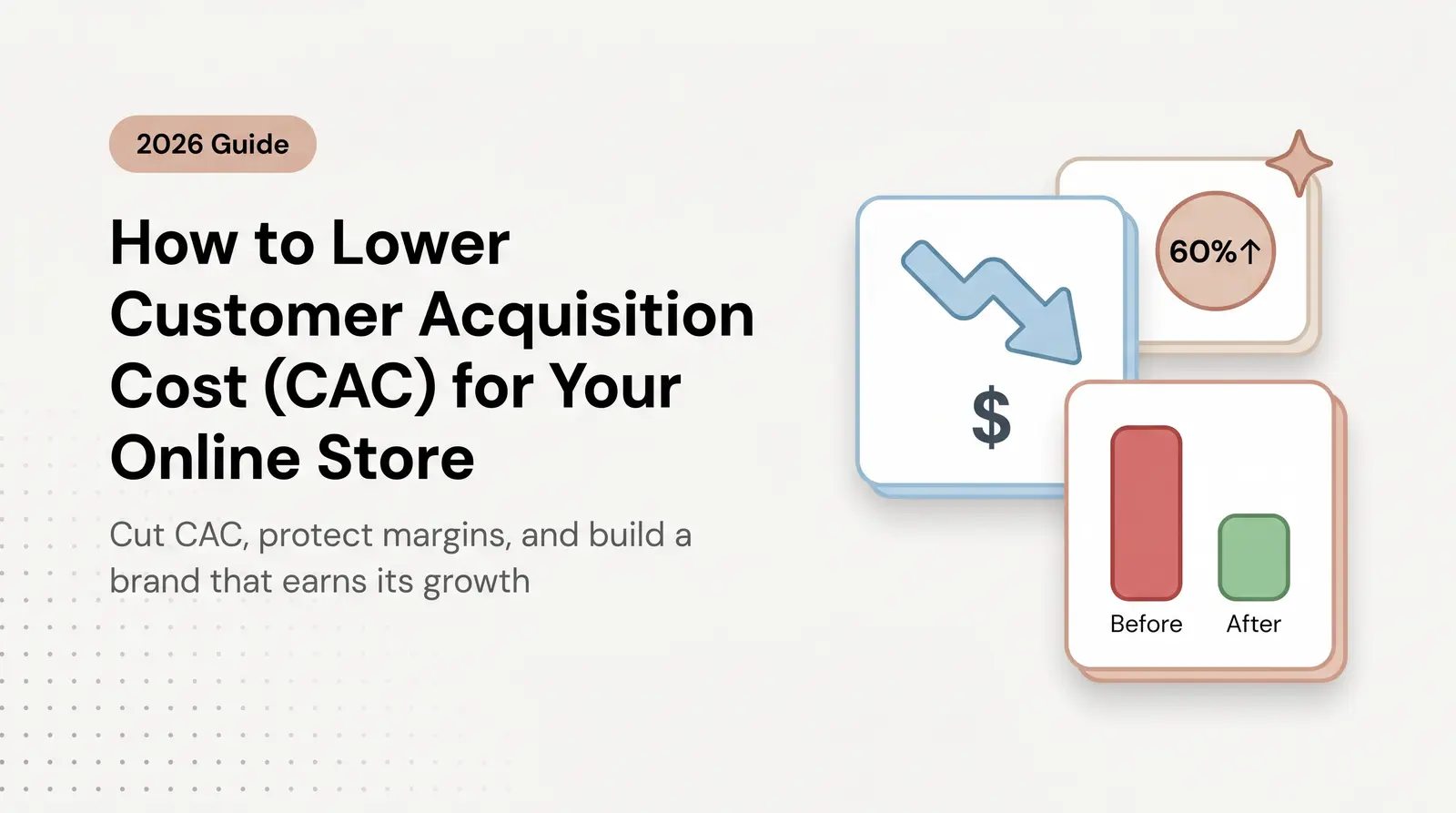
Below-average ad importance? Your keywords and advertisement copy aren't aligned.-- Knowing the metrics is step one.
Don't go after CTR if your objective is Certified public accountant. Set a reporting regimen: weekly for active campaigns, monthly for evergreen ones. A lot of CTR and conversion rate problems come from weak innovative or copy.

Latest Posts

Winning Paid Media Frameworks in the United States Market

Winning Paid Growth Marketing Tactics for the US
Why Predictive Targeting Lowers Ad CPA